Starting with 5-Minute Meditation Practices to Calm Your Nerves, embark on a journey to discover the art of finding peace and tranquility in just a few minutes.
Exploring the benefits, techniques, and setting the scene for quick meditation sessions can transform the way you approach stress and anxiety.
Benefits of 5-Minute Meditation Practices
Incorporating short meditation practices into daily routines can have numerous benefits for overall well-being. Even just 5 minutes of meditation a day can make a significant difference in calming nerves and promoting a sense of inner peace.
Reduced Stress Levels
Meditation is known to activate the body’s relaxation response, reducing the production of stress hormones like cortisol. By taking a few minutes each day to meditate, individuals can lower their stress levels and experience a greater sense of calmness.
Improved Focus
Regular meditation practice has been shown to enhance focus and concentration. By quieting the mind and practicing mindfulness, individuals can improve their ability to stay present and focused on the task at hand, leading to increased productivity and efficiency.
Enhanced Emotional Well-being
Meditation can help individuals manage their emotions more effectively. By cultivating awareness of their thoughts and feelings through meditation, individuals can develop a greater sense of emotional resilience and stability, leading to improved overall emotional well-being.
Types of 5-Minute Meditation Practices
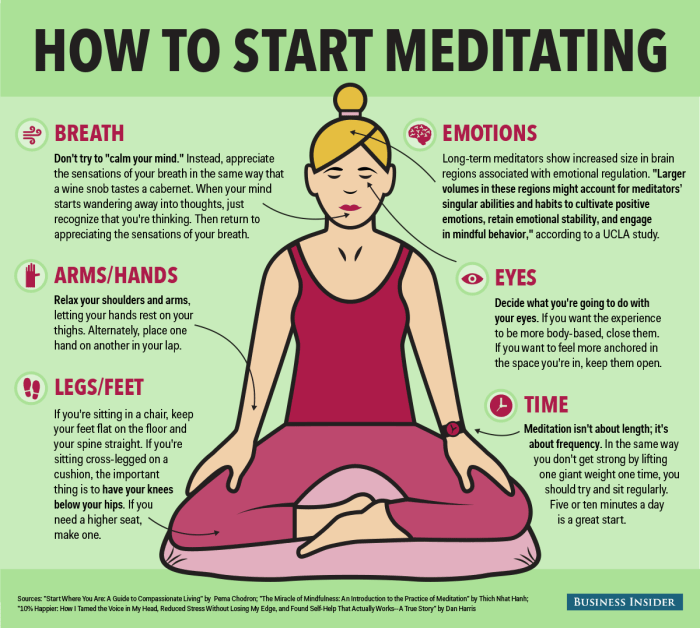
Meditation comes in various forms, each offering unique benefits for calming the nerves and promoting overall well-being. Here are some types of 5-minute meditation practices that you can incorporate into your daily routine:
Mindfulness Meditation
Mindfulness meditation involves focusing your attention on the present moment, without judgment. It encourages you to observe your thoughts, feelings, and sensations without getting caught up in them. In a 5-minute session, you can simply sit quietly and pay attention to your breath, bodily sensations, or sounds around you. This practice can help reduce stress, anxiety, and improve your ability to stay calm in challenging situations.
Guided Visualization
Guided visualization meditation involves imagining a peaceful place or scenario in your mind. A guided meditation audio or video can lead you through this visualization process, helping you relax and unwind quickly. In just 5 minutes, you can transport yourself to a calm and serene setting, allowing your mind to escape from everyday stressors. This practice can enhance relaxation, creativity, and emotional well-being.
Deep Breathing Exercises
Deep breathing exercises focus on slow, intentional breathing to promote relaxation and reduce anxiety. In a 5-minute session, you can practice deep breathing by inhaling deeply through your nose, holding the breath for a few seconds, and exhaling slowly through your mouth. This technique can activate the body’s relaxation response, lower cortisol levels, and calm the nervous system. Regular practice can improve your focus, mood, and overall resilience to stress.
Setting the Scene for a Quick Meditation Session
Creating an ideal environment for a 5-minute meditation practice is crucial in maximizing the benefits of the session. By setting the right scene, you can enhance your focus, relaxation, and overall experience during meditation.
The Ideal Environment for a 5-Minute Meditation Practice
When preparing for a quick meditation session, consider the following tips to create a calm and peaceful space:
- Choose a quiet location: Find a quiet spot where you are less likely to be disturbed by external noises.
- Declutter the space: Remove any clutter or distractions that could draw your attention away from the practice.
- Set the mood: Dim the lights, light a candle, or play soft music to create a soothing atmosphere.
- Use comfortable seating: Sit on a cushion, chair, or mat that supports an upright posture and allows you to relax.
The Importance of Eliminating Distractions During Short Meditation Sessions, 5-Minute Meditation Practices to Calm Your Nerves
Eliminating distractions during a short meditation session is essential to help you focus and achieve a state of calmness. Here are some reasons why distractions should be minimized:
- Enhanced focus: By removing distractions, you can direct your attention inward and focus on your breath or mantra.
- Deeper relaxation: Distractions can trigger stress responses in the body, hindering your ability to relax and unwind.
- Improved mindfulness: A quiet environment allows you to be more present in the moment and fully engage in the meditation practice.
- Efficient use of time: With fewer distractions, you can make the most of your short meditation session and reap the benefits in a shorter amount of time.
Techniques for Calming the Nerves through Meditation
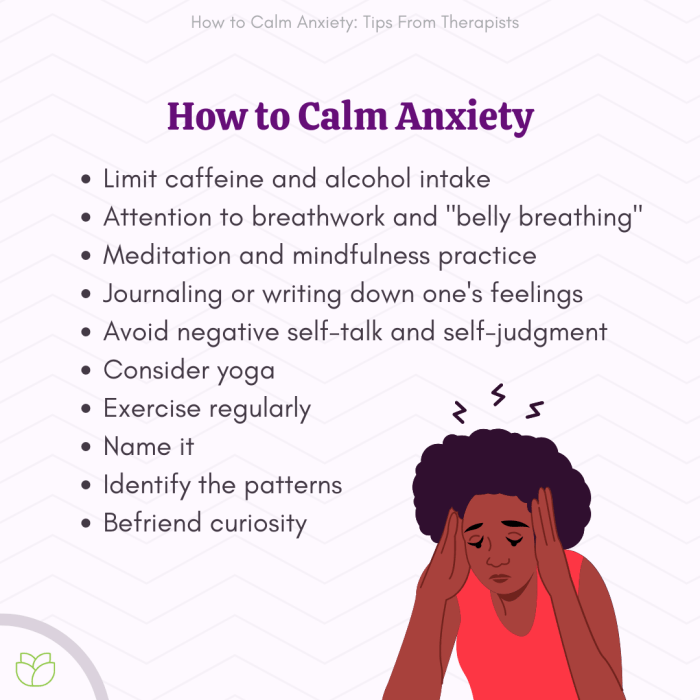
Meditation is a powerful tool for calming the nerves and promoting overall well-being. By incorporating simple techniques into your daily routine, you can effectively manage stress and anxiety. Here are some techniques to help you calm your nerves through meditation:
Simple 5-Minute Breathing Exercise
A quick and effective way to calm your nerves through meditation is by focusing on your breath. Follow these step-by-step instructions for a simple 5-minute breathing exercise:
- Find a quiet and comfortable place to sit or lie down.
- Close your eyes and take a deep breath in through your nose, allowing your lungs to fill with air.
- Hold your breath for a moment, then slowly exhale through your mouth, releasing any tension or stress.
- Continue to focus on your breath, inhaling and exhaling slowly and deeply for 5 minutes.
- As you breathe, let go of any negative thoughts or distractions, bringing your attention back to the present moment.
Guidance on Focusing the Mind and Releasing Tension
During a quick meditation practice, it’s essential to focus your mind and release tension in your body. Here are some tips to help you achieve this:
- Start by bringing awareness to your body, noticing any areas of tension or discomfort.
- Consciously relax your muscles, starting from your head and working down to your toes.
- Focus on your breath, using it as an anchor to keep your mind present and centered.
- If your mind starts to wander, gently bring your attention back to your breath without judgment.
- Visualize any stress or anxiety leaving your body with each exhale, allowing yourself to feel lighter and more at ease.
Incorporating Mindfulness into Daily Activities
For sustained calmness and reduced nerve tension, it’s beneficial to incorporate mindfulness into your daily activities. Here are some tips to help you practice mindfulness throughout the day:
- Take short meditation breaks during work or study sessions to reset your mind and body.
- Practice mindful eating by savoring each bite of your meals and focusing on the flavors and textures.
- Engage in mindful walking by paying attention to each step and the sensations in your feet.
- Set reminders on your phone or computer to take a few moments for deep breathing exercises throughout the day.
- Practice gratitude by reflecting on three things you are thankful for each day, cultivating a positive mindset and reducing stress.
Outcome Summary: 5-Minute Meditation Practices To Calm Your Nerves

In conclusion, embracing these 5-Minute Meditation Practices can be a powerful tool in your daily routine to combat nerves and find inner harmony.