Kicking off with 20 Tips to Make Meditation a Daily Habit, this guide is all about getting you in the zone to make meditation a regular part of your routine. From understanding the basics to overcoming challenges, we’ve got you covered with everything you need to know.
Whether you’re a beginner looking to start your meditation journey or someone who wants to deepen their practice, these tips will help you cultivate mindfulness and inner peace. Get ready to take your meditation game to the next level!
Understanding Meditation
Meditation is a practice that involves focusing the mind on a particular object, thought, or activity to achieve mental clarity, emotional calmness, and inner peace. It has numerous benefits for overall well-being, including reducing stress, improving concentration, increasing self-awareness, and promoting emotional health.
Types of Meditation
- Mindfulness Meditation: Involves paying attention to the present moment without judgment, often focusing on the breath or bodily sensations.
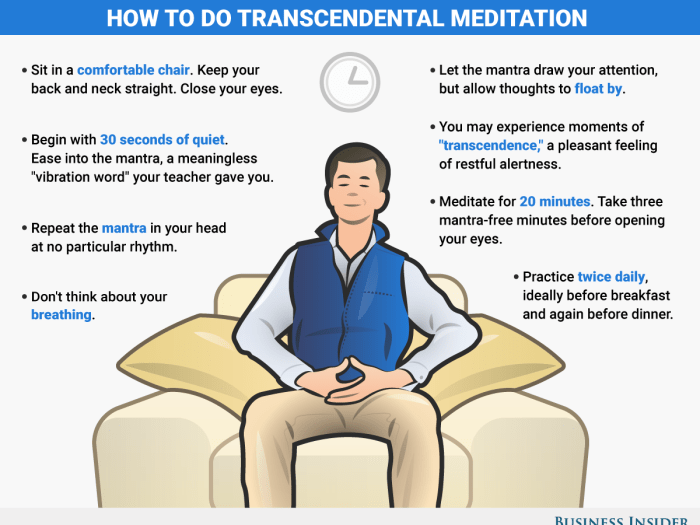
- Transcendental Meditation: Uses a mantra or repeated phrase to quiet the mind and achieve a state of profound relaxation.
- Loving-Kindness Meditation: Focuses on cultivating feelings of love and compassion towards oneself and others.
Importance of Meditation for Mental Health
- Meditation helps reduce symptoms of anxiety and depression by calming the mind and promoting relaxation.
- Regular meditation practice can improve emotional regulation, leading to better stress management and increased resilience.
- By fostering mindfulness and self-awareness, meditation can enhance overall mental well-being and promote a positive outlook on life.
Famous Personalities Who Meditate
- Deepak Chopra: Renowned author and speaker known for his teachings on spirituality and holistic health, regularly practices meditation.
- Oprah Winfrey: Media mogul and philanthropist incorporates meditation into her daily routine to stay grounded and focused.
- Russell Simmons: Entrepreneur and music producer credits his success and inner peace to his consistent meditation practice.
Setting the Right Environment
Creating a peaceful meditation space at home is crucial for establishing a daily practice. The environment you meditate in can greatly impact the quality of your meditation session. Here are some tips on how to set the right environment for meditation.
Choosing the Perfect Spot
When selecting a spot for meditation, opt for a quiet and comfortable area where you can relax and focus without distractions. Choose a space with good ventilation and natural light if possible.
Lighting and Decor
Soft, natural lighting can help create a calming atmosphere for meditation. Consider using candles, salt lamps, or dimmable lights to set the mood. Decorate your space with items that promote relaxation, such as plants, cushions, or inspiring artwork.
Creating Ambiance, 20 Tips to Make Meditation a Daily Habit
Enhance the ambiance of your meditation space with soothing sounds like nature sounds, instrumental music, or white noise. You can also incorporate aromatherapy by using essential oils or incense to create a tranquil atmosphere.
Personal Touches
Add personal touches to your meditation space that resonate with you, such as meaningful objects, crystals, or spiritual symbols. Make it a sacred space where you feel comfortable and inspired to practice meditation daily.
Establishing a Routine

Incorporating meditation into a daily routine is crucial for reaping its full benefits and making it a sustainable practice. Consistency is key in meditation as it allows you to deepen your practice and experience its transformative effects over time.
Strategies for Daily Meditation
- Set a specific time each day: Choose a time that works best for you, whether it’s early morning, during lunch break, or before bedtime. Consistency in timing helps in forming a habit.
- Start with short sessions: If you’re new to meditation, begin with short sessions of 5-10 minutes and gradually increase the duration as you become more comfortable with the practice.
- Integrate meditation with other daily activities: Linking meditation with an existing habit, such as right after waking up or before brushing your teeth, can make it easier to remember and incorporate into your routine.
- Create a dedicated space: Designate a quiet and peaceful corner in your home for meditation. This space should be free from distractions and convey a sense of calmness.
Best Times for Meditation
- Morning: Meditating in the morning can set a positive tone for the rest of the day, helping you start with a clear mind and focused intention.
- Evening: Evening meditation can help unwind and release the stress accumulated throughout the day, promoting relaxation and better sleep quality.
- Midday: Taking a meditation break during the middle of the day can boost productivity, enhance focus, and restore energy levels.
Overcoming Common Challenges
In the journey towards making meditation a daily habit, there are common challenges that may arise, hindering your progress. It is important to acknowledge these obstacles and find effective ways to overcome them to ensure a consistent practice.
Dealing with Distractions
- Acknowledge distractions without judgment, allowing them to pass without getting caught up in them.
- Practice mindfulness by refocusing your attention back to your breath or mantra whenever distractions arise.
- Create a designated meditation space free from distractions such as noise or technology to enhance your focus.
Maintaining Motivation
- Set achievable goals and track your progress to stay motivated and committed to your daily meditation practice.
- Find inspiration from meditation teachers, books, or online resources to keep your practice fresh and engaging.
- Join a meditation group or community to connect with like-minded individuals and share experiences that can boost your motivation.
Techniques and Practices
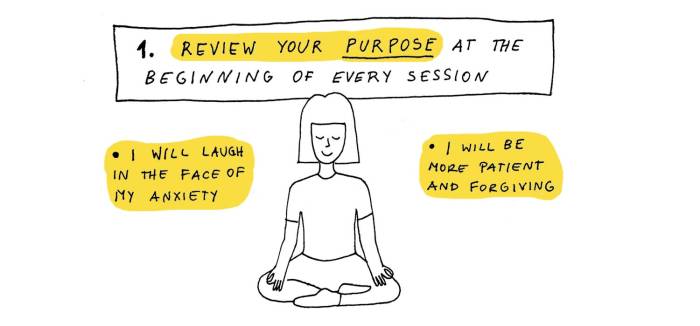
In the journey of meditation, exploring various techniques and practices can help beginners find what resonates best with them. Each technique offers a unique approach to calming the mind and connecting with the present moment.
Mindfulness Meditation
- Focuses on being present in the moment, observing thoughts and sensations without judgment.
- Involves paying attention to the breath, body sensations, and surroundings.
- Helps cultivate awareness, reduce stress, and improve overall well-being.
Loving-Kindness Meditation
- Focuses on developing feelings of love and compassion towards oneself and others.
- Involves repeating phrases of well wishes and goodwill towards oneself and others.
- Helps cultivate empathy, kindness, and positive emotions.
Body Scan Meditation
- Focuses on scanning the body from head to toe, bringing awareness to different body parts.
- Involves noticing sensations, tensions, and areas of relaxation in the body.
- Helps release physical tension, promote relaxation, and increase body awareness.
Guided Meditation
- Provides verbal guidance from a teacher, recording, or app to lead the meditation session.
- Helps beginners stay focused, understand meditation concepts, and deepen their practice.
- Offers a structured approach to meditation, making it accessible and engaging for newcomers.
Tracking Progress

In the journey of meditation, tracking progress plays a crucial role in maintaining consistency and measuring improvements. It allows individuals to stay motivated and focused on their meditation goals.
Methods for Tracking Progress
One effective method for tracking progress in meditation is through journaling. By writing down thoughts, experiences, and emotions before and after each session, practitioners can reflect on their growth and identify patterns.
- Utilizing a meditation app can also be beneficial, as it provides features to track the duration of each session, set reminders, and even offer guided meditations tailored to individual needs.
- Creating a meditation log or calendar to mark each day a session is completed can visually display consistency and dedication to the practice.
- Setting specific goals and milestones can help in measuring progress and celebrating achievements along the way.
Concluding Remarks: 20 Tips To Make Meditation A Daily Habit
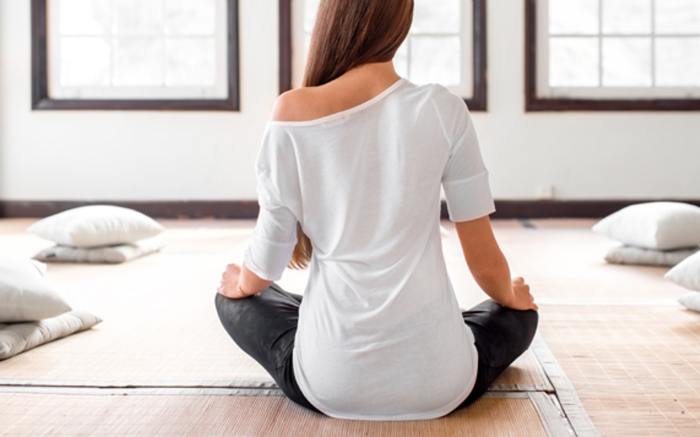
In conclusion, by incorporating these 20 tips into your daily life, you’ll be well on your way to making meditation a daily habit. Remember, consistency is key, and with dedication and practice, you can transform your mindset and improve your overall well-being. Start your meditation journey today and experience the profound benefits it can bring to your life.